Great Pyramid of Giza
Giza, Egypt · c. 2600 BCE
The Great Pyramid of Giza, built around 2600 BCE as Pharaoh Khufu's tomb is the largest of the Egyptian pyramids. Built with millions of limestone and granite blocks transported from quarries, the structure demonstrates ancient Egyptian engineering. The complex includes mortuary temples, subsidiary pyramids, a causeway, and chambers.
Why it matters: Oldest of the Seven Wonders of the Ancient World
Did you know? Originally sheathed in polished limestone.
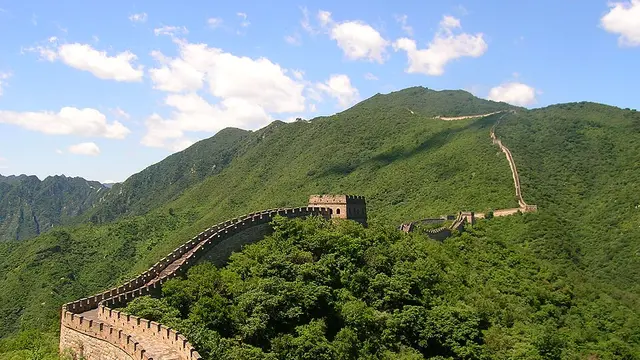
Great Wall of China
Multiple provinces, China · 7th century BCE – 17th century CE
The Great Wall of China was built over several centuries to serve as a defensive barrier. It stretches thousands of miles and incorporates natural terrain features such as mountain ridges and rivers. The wall includes watchtowers, signal beacon stations, and garrisons for defense.
Why it matters: Longest wall and fortification on Earth
Did you know? Some sections are visible from low Earth orbit.
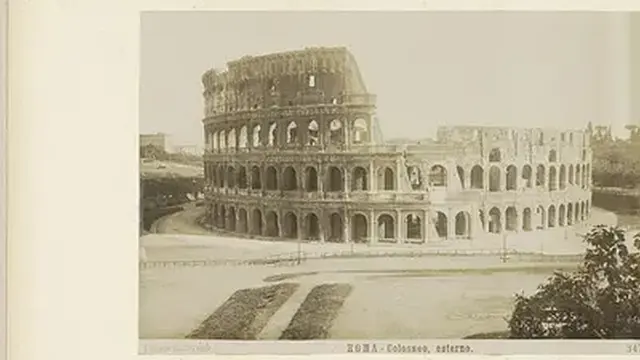
Colosseum
Rome, Italy · 70–80 CE
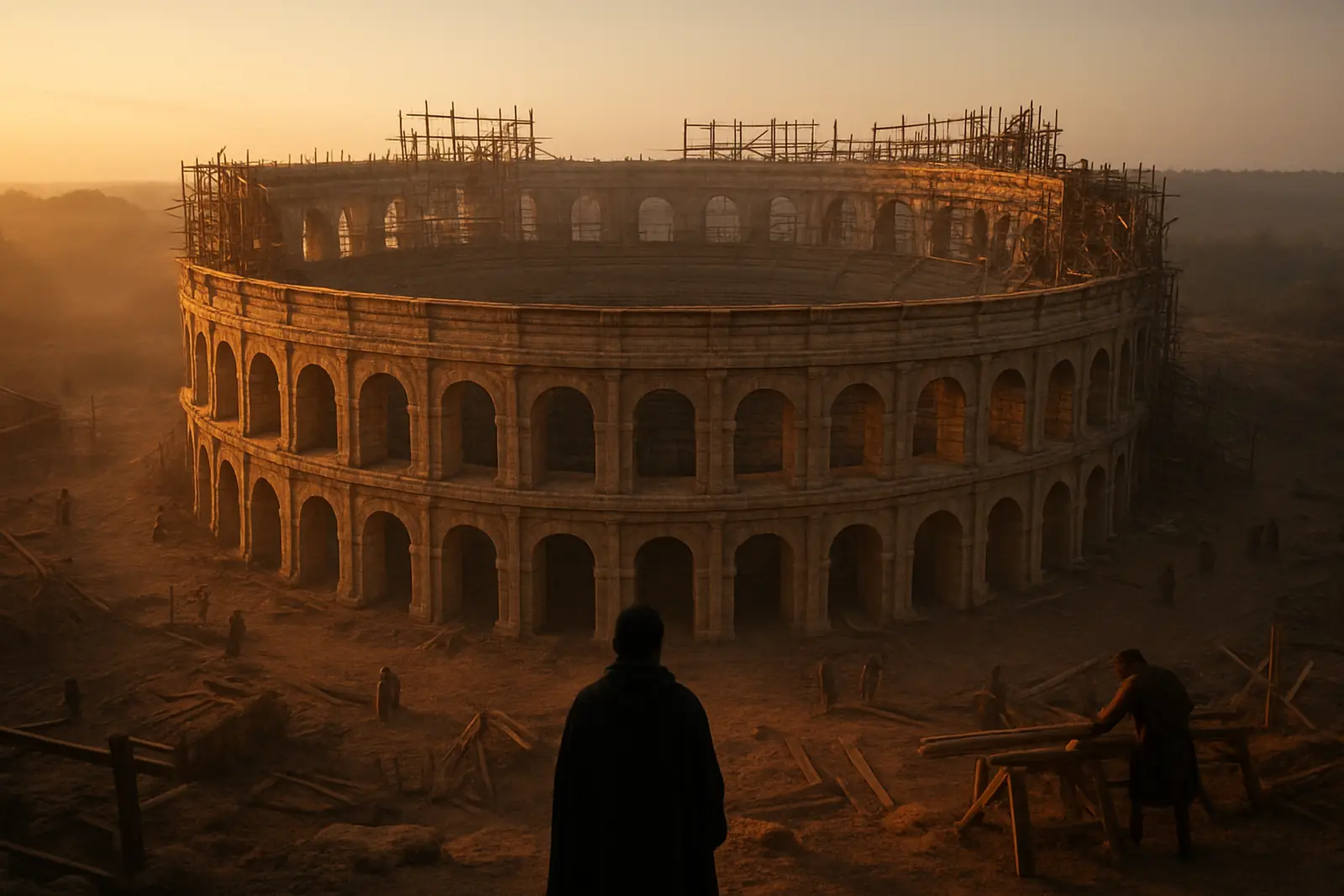
The Colosseum was built between 70–80 CE under Emperors Vespasian and Titus. It seated tens of thousands of spectators for public spectacles including gladiatorial contests, animal hunts, and reenactments. The elliptical structure includes vaulted arches and an underground hypogeum where stage machinery operated. It has suffered damage from earthquakes and stone robbing.
Why it matters: Largest ancient amphitheatre ever built
Did you know? Naumachiae (naval battle reenactments) were held by flooding the arena floor.
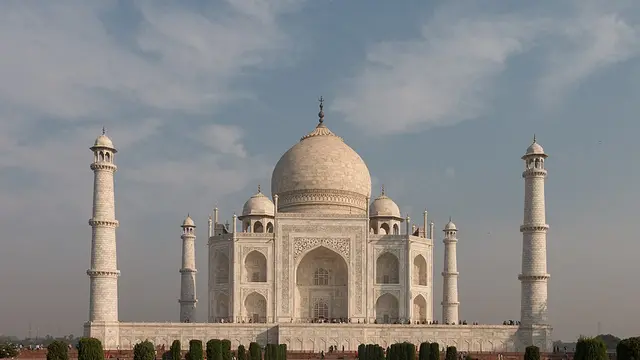
Taj Mahal
Agra, India · 1632–1653
The Taj Mahal was commissioned by Mughal Emperor Shah Jahan as a mausoleum for his wife Mumtaz Mahal. Constructed over about 22 years by many artisans, it features white marble, symmetry, four minarets, a central dome, and intricate inlay work of semiprecious stones. It is located on the Yamuna River with surrounding gardens and reflecting pools.
Why it matters: Mughal architectural masterpiece
Did you know? Minarets tilt slightly outward to prevent falling on the main tomb in case of collapse.
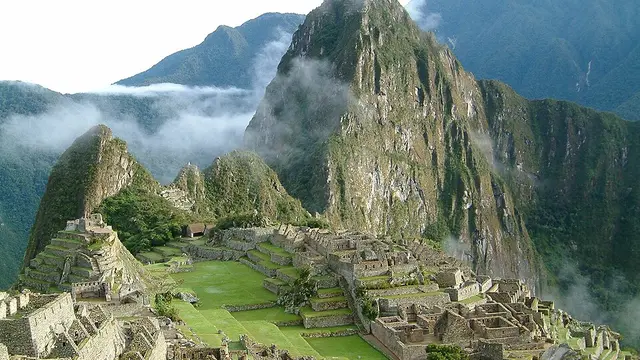
Machu Picchu
Cusco Region, Peru · 15th century
It was abandoned and remained largely unknown until American explorer Hiram Bingham publicized it in 1911. The citadel features terraces, water drainage, temples, and dry-stone construction without mortar.
Why it matters: Best-preserved Inca citadel
Did you know? Constructed without mortar using precisely fitting stones.
Christ the Redeemer
Rio de Janeiro, Brazil · 1922–1931
Christ the Redeemer statue was constructed between 1922–1931 atop Corcovado mountain. Designed by Heitor da Silva Costa and sculpted by Paul Landowski, the 30-meter tall statue is made of concrete and soapstone. It overlooks Rio de Janeiro and was inaugurated in 1931.
Why it matters: Iconic Art Deco statue
Did you know? Originally proposed for Barcelona before being constructed in Brazil.
Petra
Ma'an, Jordan · 312 BCE – 2nd century CE
Petra, established by the Nabatean Kingdom from the 4th century BCE, served as a trading caravan city controlling routes for incense, spices, and other goods. Carved into rose-red sandstone cliffs, it features elaborate facades, temples, theaters, water management systems, and tunnels. It was abandoned after earthquakes and shifts in trade routes. Rediscovered in 1812 by Johann Ludwig Burckhardt.
Why it matters: City carved into cliffs
Did you know? Known for its rose-red sandstone architecture.
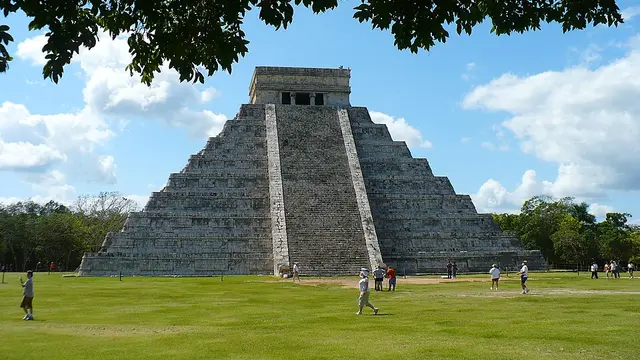
Chichen Itza
Yucatan, Mexico · c. 600–1200 CE
Chichen Itza flourished from about 600 to 1200 CE as a major Maya city in the Yucatan Peninsula. The complex includes the largest ballcourt in Mesoamerica, the Temple of the Warriors, and a circular observatory.
Why it matters: Major Maya archaeological site
Did you know? The ballcourt is the largest in Mesoamerica.
Angkor Wat
Siem Reap, Cambodia · early 12th century
Angkor Wat constructed in the early 12th century by King Suryavarman II is one of the largest religious monuments in the world. The temple complex covers more than 160 hectares and features a central tower surrounded by four smaller towers and an extensive moat. Bas-reliefs depict Hindu mythology and historical events. The temple faces west.
Why it matters: One of the world's largest religious monuments
Did you know? Originally Hindu, later became a Buddhist site
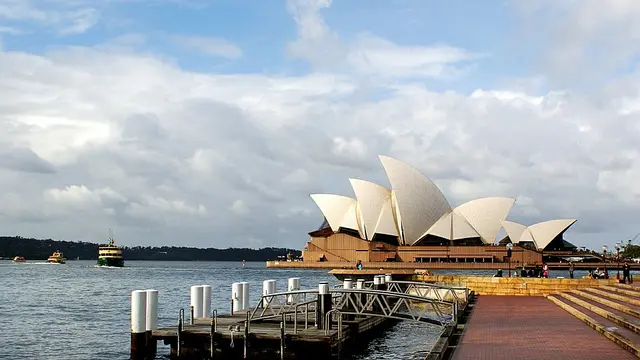
Sydney Opera House
Sydney, Australia · 1957–1973
The Sydney Opera House, designed by Danish architect Jørn Utzon, was completed in 1973. Its roof structures are composed of precast concrete shells and are covered with ceramic tiles. The building is located on Bennelong Point overlooking Sydney Harbour and contains multiple performance halls.
Why it matters: Icon of 20th century architecture
Did you know? Design won an international competition in 1957
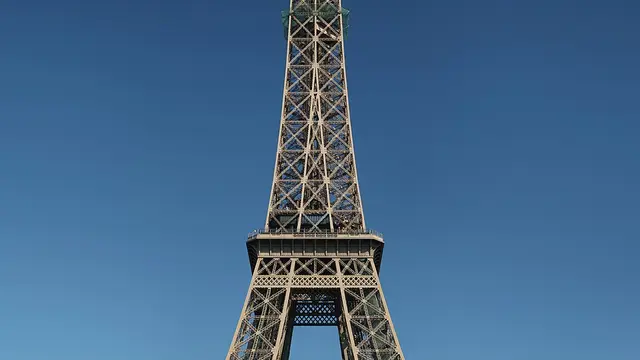
Eiffel Tower
Paris, France · 1887–1889
The Eiffel Tower, designed by Gustave Eiffel, was built for the 1889 World's Fair in Paris. It was the tallest man-made structure at 300 meters until 1930. The tower is constructed of wrought iron lattice and serves as a landmark and tourist attraction.
Why it matters: Symbol of Paris and French engineering
Did you know? Originally planned to stand for 20 years before demolition
Statue of Liberty
New York Harbor, USA · 1886
The Statue of Liberty was gifted by France to the United States and dedicated in 1886. Designed by Frédéric Auguste Bartholdi, with structural engineering by Gustave Eiffel, it stands approximately 93 meters from the ground to the torch. The statue represents Libertas, holding a tablet inscribed with the date July 4, 1776.
Why it matters: Symbol of freedom and democracy
Did you know? The copper skin has developed a green patina over time
Leaning Tower of Pisa
Pisa, Italy · circa 1173–1372
The Leaning Tower of Pisa was built as the campanile for Pisa's cathedral. Construction began around 1173 and completed in the late 14th century. It began to lean due to unstable ground. Restoration efforts have stabilized the tower and reduced its tilt slightly.
Why it matters: Famous leaning structure
Did you know? Engineers added counterweights during stabilization efforts
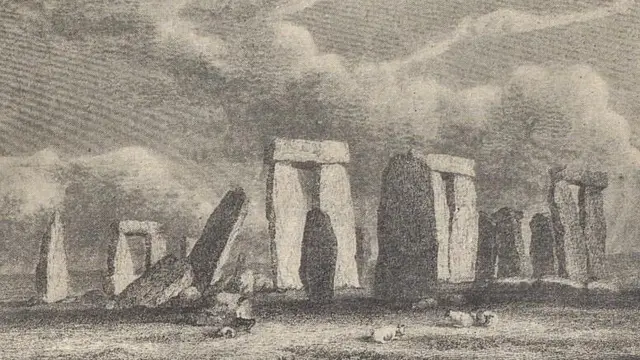
Stonehenge
Wiltshire, England · circa 3000–2000 BCE
Stonehenge, constructed in several phases between approximately 3000 and 2000 BCE, consists of a ring of standing stones in Wiltshire, England. The stones were transported from local and more distant sources. The site includes earthworks and aligns with solstices. Its purpose is thought to be ceremonial or religious.
Why it matters: Prehistoric monument with astronomical alignments
Did you know? The Heel Stone aligns with sunrise on the summer solstice
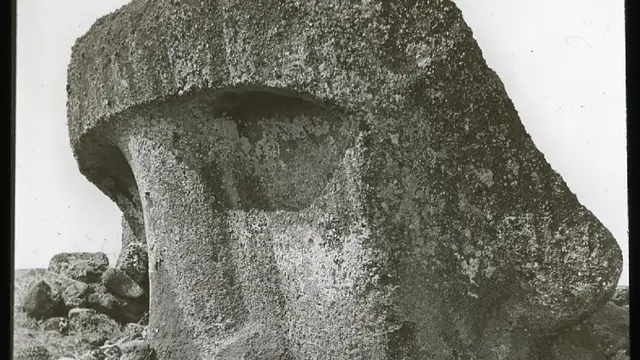
Moai of Easter Island
Rapa Nui, Chile · circa 1250–1500 CE
The Moai statues on Easter Island were carved from volcanic tuff by the Rapa Nui culture between the 13th and 16th centuries. These monolithic figures were placed on ceremonial platforms called ahu. The statues vary in size and weight. The exact methods of their transportation remain subject to study.
Why it matters: Cultural symbols of Rapa Nui civilization
Did you know? Some Moai had pukao, cylindrical topknots made from red scoria
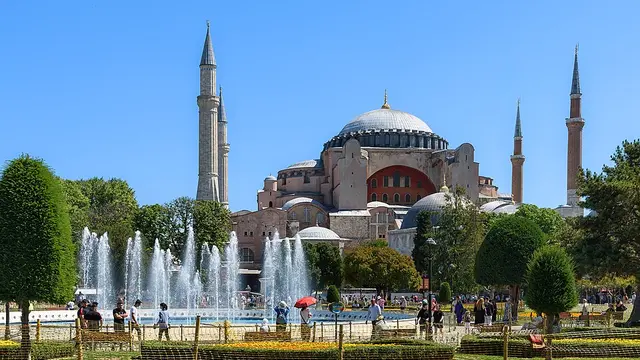
Hagia Sophia
Istanbul, Turkey · 532–537 CE
Hagia Sophia was constructed between 532 and 537 CE under Emperor Justinian I. It was notable for its large central dome, supported by pendentives. The interior originally featured Byzantine mosaics. It was converted to a mosque in 1453 and later secularized as a museum in the 20th century.
Why it matters: Architectural achievement of the Byzantine Empire
Did you know? Early mosaics depicted Emperor Justinian and Empress Theodora
Angkor Thom
Siem Reap, Cambodia · late 12th century
Angkor Thom was established in the late 12th century by King Jayavarman VII as the capital of the Khmer Empire. The walled city covers over 9 square kilometers and includes the South Gate causeway, the Bayon temple with stone faces, the Baphuon temple, the Royal Palace enclosure, and the Terrace of the Elephants. It features advanced water management through reservoirs known as barays.
Why it matters: Capital city of the Khmer Empire
Did you know? The Bayon temple features numerous stone face towers.
Great Sphinx
Giza, Egypt · c. 2500 BCE
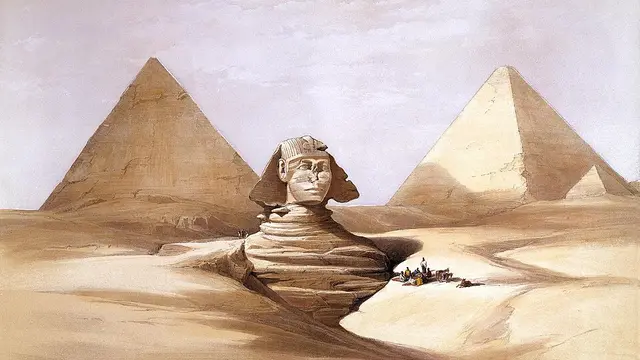
The Great Sphinx, carved around 2500 BCE from limestone bedrock near the Great Pyramid of Giza, depicts a lion's body with a human head, likely representing Pharaoh Khafre. It measures approximately 73 meters long and 20 meters high and is part of the Giza pyramid complex.
Why it matters: One of the world's largest and oldest monumental sculptures
Did you know? Originally painted with red pigment and once had a ceremonial beard, parts of which are now in museums.
Tower of London
London, England · 11th century onwards
The Tower of London was founded in the late 11th century by William the Conqueror. It began as a wooden motte-and-bailey castle, later replaced by the White Tower. Over centuries it has served various roles including royal residence, armory, mint, menagerie, and prison. It houses the Crown Jewels and is a historic site in London.
Why it matters: Historic castle and UNESCO World Heritage site
Did you know? The Tower is home to ravens, which are subject to traditional protection.
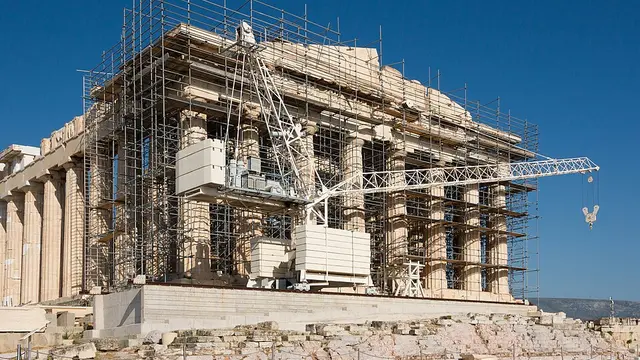
Parthenon
Athens, Greece · c. 447–432 BCE
The Parthenon was constructed between approximately 447 and 432 BCE on the Athenian Acropolis, dedicated to the goddess Athena. It exemplifies classical Greek architecture with Doric columns and optical refinements. The temple housed a statue of Athena by Phidias. The structure has sustained damage over time from wars and other historical events.
Why it matters: Symbol of ancient Greek civilization
Did you know? Sculptural elements known as the Elgin Marbles were removed in the early 19th century and remain in dispute between Greece and Britain.
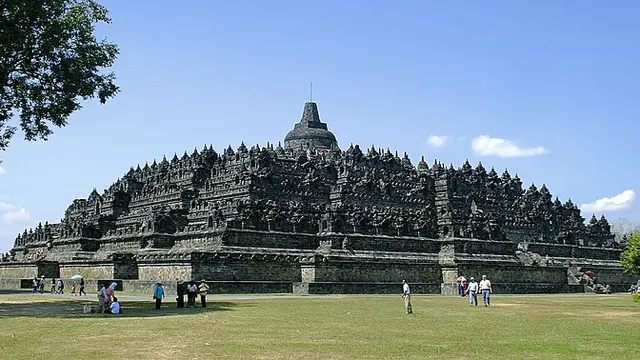
Borobudur
Magelang, Indonesia · 8th–9th century
Borobudur was built in the 8th–9th century during the Sailendra dynasty. It is a large Buddhist temple complex designed as a mandala representing the Buddhist cosmos. It consists of nine stacked platforms with 2,672 relief panels and 504 Buddha statues arranged to symbolize the path to enlightenment across three realms: Kamadhatu, Rupadhatu, and Arupadhatu.
Why it matters: One of the largest Buddhist temples in the world
Did you know? The architecture represents a massive mandala symbolic of the Buddhist universe.
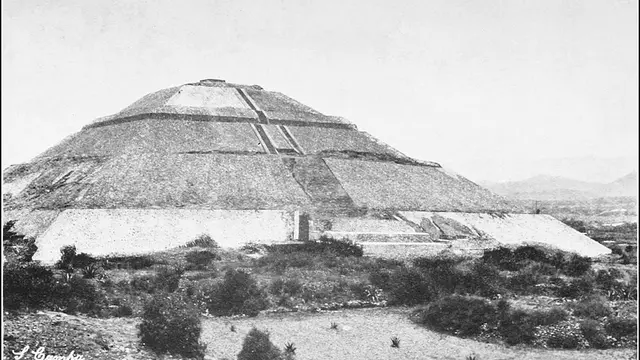
Teotihuacan
State of Mexico, Mexico · 1st–7th century CE
The city's layout features the Avenue of the Dead connecting the Pyramid of the Sun and the Pyramid of the Moon, aligned with celestial bodies. Its builders' identity and the city's decline remain subjects of study.
Why it matters: Largest city in pre-Columbian Americas
Did you know? The name Teotihuacan, given by the Aztecs, means 'place where gods were created.'
Chaco Canyon
Northwest New Mexico, USA · 9th–12th century
Chaco Canyon was a major center of Ancestral Puebloan culture from the 9th to 12th centuries, serving as a ceremonial, political, and trade hub. It contains large great houses such as Pueblo Bonito with multi-story buildings, great kivas for rituals, and an extensive road system connecting distant settlements. Astronomical alignments have been identified among its structures.
Why it matters: Significant Ancestral Puebloan cultural center
Did you know? Great houses exhibit alignments with solar and lunar cycles.
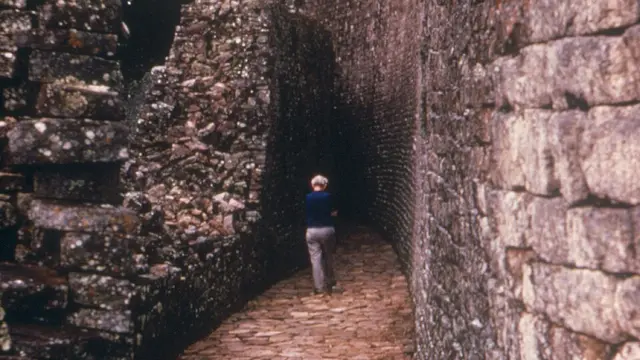
Great Zimbabwe
Masvingo, Zimbabwe · 11th–15th century
Great Zimbabwe was built between the 11th and 15th centuries by the Shona people as a royal palace and political center. It was part of a kingdom involved in regional trade.
Why it matters: Largest stone ruins in sub-Saharan Africa
Did you know? The Zimbabwe bird motif appears as a national symbol.
 BLUEPRINT HISTORY